

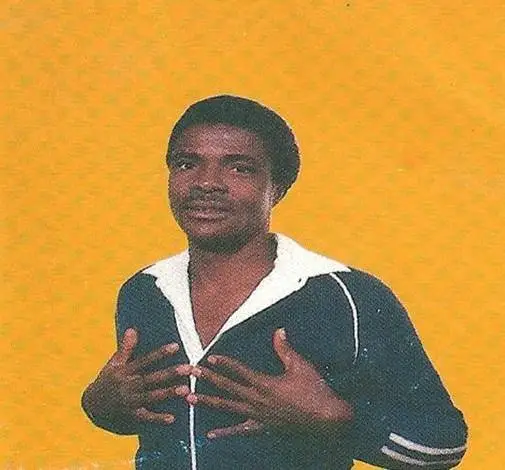
Ayesha Nyanzunda
Before digital studios and endless streaming platforms, Zimbabwe’s music scene of the 1980s and 1990s thrived on raw talent, passion, and sheer determination. In an era of limited recording houses and modest production resources, artists like Marshall Munhumumwe and The Four Brothers created music that would become timeless, shaping the country’s cultural identity and leaving a mark on generations.
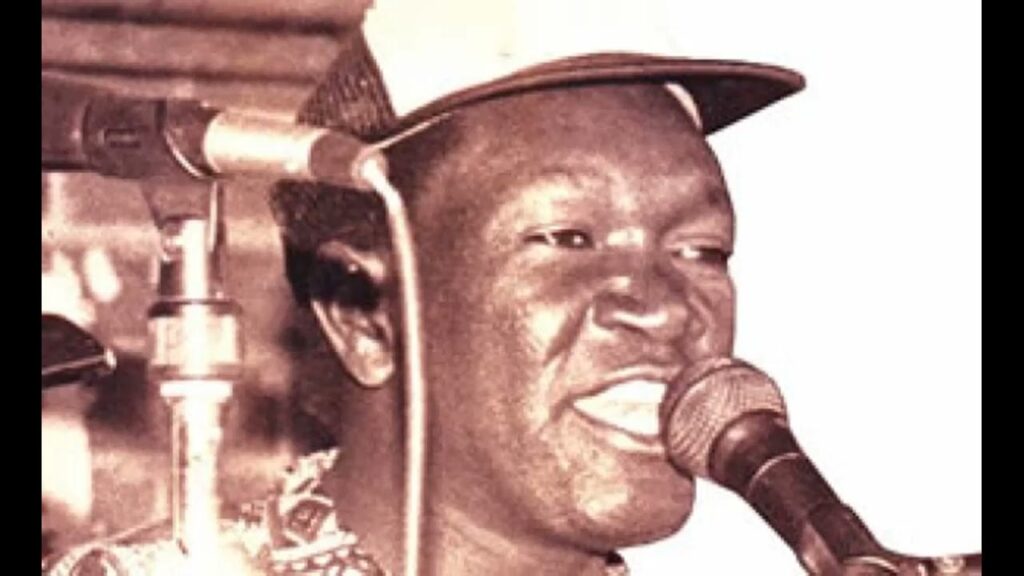
Marshall Munhumumwe
John Chibadura became a household name with hits like Mudiwa Janet, a song that perfectly captured everyday life, love, and community struggles, all wrapped in Sungura-raggae rhythms that made people dance, cry, and celebrate. Leonard Dembo followed with classics like Shiri Yakangwara, whose melodies and lyrics resonated deeply with Zimbabweans, making him a voice for the people.
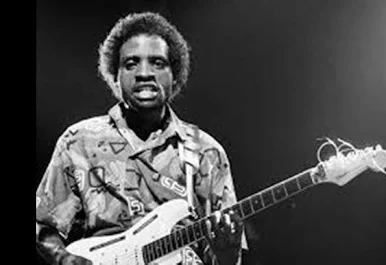
John Chibadura

During this period, music was made differently,it was about live recordings, analog instruments, and the magic of human connection in the studio. There were no fancy auto-tune effects, no massive marketing budgets; just musicians, their instruments, and stories they had to tell. Songs like Murambinda by Paul Mpofu became cultural staples, played at weddings across the country and marking life’s most important moments.
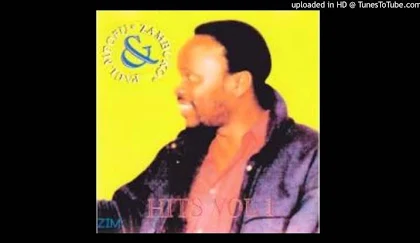
Paul Mpofu
Meanwhile, Leonard Zhakata’s Zora music brought inspiration and social commentary, giving ordinary Zimbabweans songs that reflected their joys, struggles, and dreams. Together, these artists created a musical legacy that was rich, authentic, and unapologetically Zimbabwean.

Leonard Zhakata
What makes this era so special is that every track came from a place of creativity under constraints. Recording houses were few, studios were basic, and yet, artists poured their hearts into every chord, lyric, and melody. The results were songs that not only entertained but stood the test of time, becoming cultural touchstones that defined the era and continue to influence modern musicians.
Today, when we play classics from Munhumumwe, Chibadura, Dembo,Paul Mpofu, and Paul Matavire and many others, we are reminded of a time when music was made with soul, ingenuity, and a deep connection to the people. This was the golden age of Zimbabwean music, a period worth celebrating, remembering, and passing on to the next generation.