

Ayesha Nyanzunda
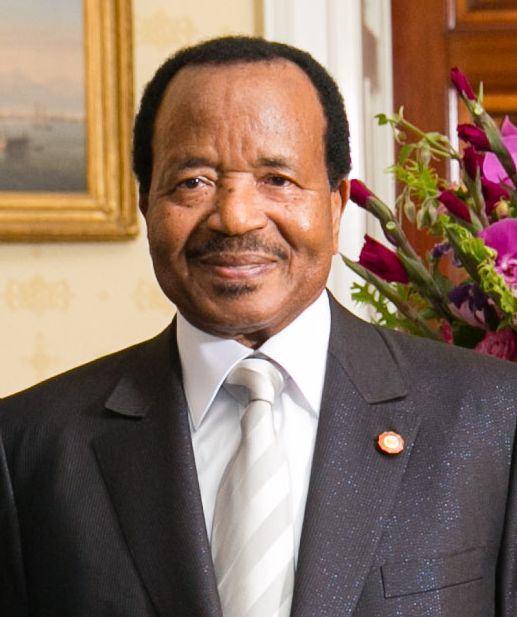
Cameroon’s long-time leader, President Paul Biya, has been officially declared the winner of the country’s presidential election, securing a new seven-year term that will extend his rule well into his 90s.
According to the Constitutional Council of Cameroon, Biya, aged 92, garnered 53.66% of the votes in the October 12 election. His main challenger, Issa Tchiroma Bakary, a former government minister turned opposition leader, received 35.19%, while other candidates shared the remaining votes.
The announcement came amid widespread protests and allegations of electoral irregularities from opposition parties, who have accused the ruling party of vote manipulation and intimidation.
Protests and Clashes Erupt
Tensions flared in several cities following the release of the results. In the commercial capital Douala, opposition supporters took to the streets, leading to violent clashes with police.
At least four people were reported dead and several others injured during Sunday’s protests, according to opposition sources. Security forces used tear gas and live ammunition to disperse crowds in Yaoundé, Garoua, and Maroua, as authorities moved quickly to prevent unrest from spreading.
Despite the violence, government officials have defended the election process, describing it as “free and transparent.”
Opposition Rejects Results
Opposition leader Issa Tchiroma Bakary rejected the official tally, insisting that he had won the election with 54.8% of the vote based on data compiled from polling stations. He has called for an independent audit of the results and urged his supporters to remain “peaceful but resolute.”
Prior to the official declaration, the Constitutional Council dismissed ten petitions filed by opposition parties challenging the election outcome, citing lack of evidence.
Biya’s Enduring Grip on Power
President Biya, who has ruled Cameroon since 1982, remains one of the world’s longest-serving leaders. His new term extends his presidency beyond 43 years in power, making him Africa’s oldest sitting head of state.
While his supporters praise him as a symbol of stability, critics accuse his administration of corruption, suppression of dissent, and failure to resolve the long-running conflict in the country’s Anglophone regions.
Analysts say Biya’s re-election highlights both the strength of his political machinery and the weakness of a fragmented opposition.
Uncertain Future
The international community has urged restraint on all sides, with the African Union and United Nations calling for calm and respect for democratic processes.
Observers warn that continued unrest could worsen existing tensions in a country already struggling with economic hardship and separatist violence in its English-speaking regions.
As Biya prepares to begin yet another term, Cameroonians remain divided — some hopeful for continuity and stability, others demanding long-overdue political change.